There is never an explanation that is sufficient for an air disaster.
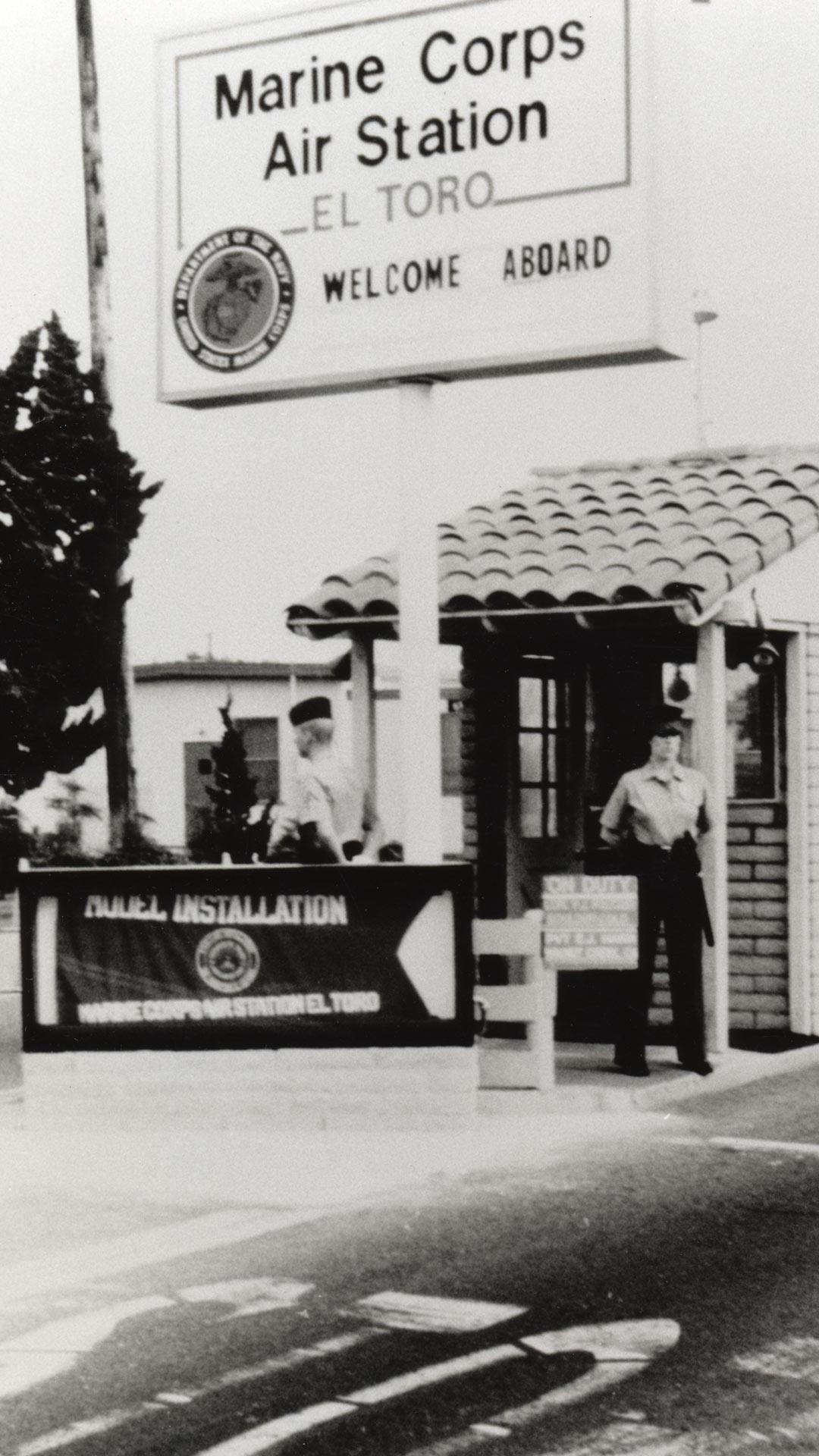
On June 25, 1965 an Air Force C-135A Stratolifter serial number 60-373 assigned to the Military Air Transport Service (MATS) departed Marine Corps Air Station El Toro. The crew’s mission was to transport seventy-two combat ready Marines to the Republic of Viet Nam via Hickham Air Force Base on Oahu in the Hawaiian Islands. Hickham was to have been the first in a series of stops to be made in the long flight to Southeast Asia. Okinawa would have been the next stop. Take-off from El Toro MCAS was at 1:44 am. At 1:46 am the C-135A struck Loma Ridge instantly killing all eighty-four men on board.
The crash of the C-135A is the worst air disaster in Orange County’s history. The Stratolifter disintegrated scattering wreckage over a wide area. Today the crash site is a memorial to the service, sacrifice, and tragic loss of twelve U.S. Airmen and seventy-two U.S. Marines.
Some of the details related to the actual flight contradict newspaper reports of the event.
-
The pilot was instructed to make a left turn within 2 NM and the pilot complied turning left at 2 NM. The report states “All evidence points to thorough flight planning and above average attention to detail by the aircraft commander based on the best information available to him”.
-
The published departure procedure did not depict the terrain and climb rate required to avoid the terrain. It can be noted that the terrain would not be a factor with a normal rate of climb. Post accident the departure procedure was modified to show the terrain and minimum climb rate.
-
The impact point was only 725’ above the runway elevation 3.9 miles from the airport. This is a very low climb rate of only 360 feet per minute (fpm) while the aircraft should normally climb at 1,290 fpm. indicating there may have been overloading or issues with the engines. The C-135A was underpowered with 10,000 lb. thrust pure jet engines that were later upgraded with 17,000 lb. thrust turbofans becoming the C-135E. Modern airliner engines each produce between 25,000 and 70,000 lbs. of thrust and climb rates of 2,000 to 4,000 fpm.
For a more detailed description of events read the Memorandum from the Secretary of the Navy.